From a First Report to a Veterinary Care Plan
A rescue response is a sequence of decisions: confirm safety, arrange appropriate transport, assess health needs, and decide on the next responsible step.
StrayToHome editorial team
A report about an animal in distress deserves a measured response. The aim is not a dramatic intervention; it is to reduce risk and connect the animal with the right care as quickly and calmly as possible.
Make the scene safer
If an animal is near traffic, a hazard, or a potentially unsafe environment, do not put yourself or others at risk. Share a precise location and observable condition with local animal services, a rescue partner, or emergency veterinary support.
Take only the information that can help a trained responder: species, apparent injury, behavior, exact location, time observed, and any evidence of an owner or caregiver.
Let assessment guide the next step
Once an animal is safely received, veterinary guidance can determine whether urgent treatment, rest, monitoring, foster placement, or a different welfare pathway is appropriate. Not every animal needs the same response.
Documenting the care action and the next planned step creates a useful record without inventing an outcome before it is known.
Support recovery with routine
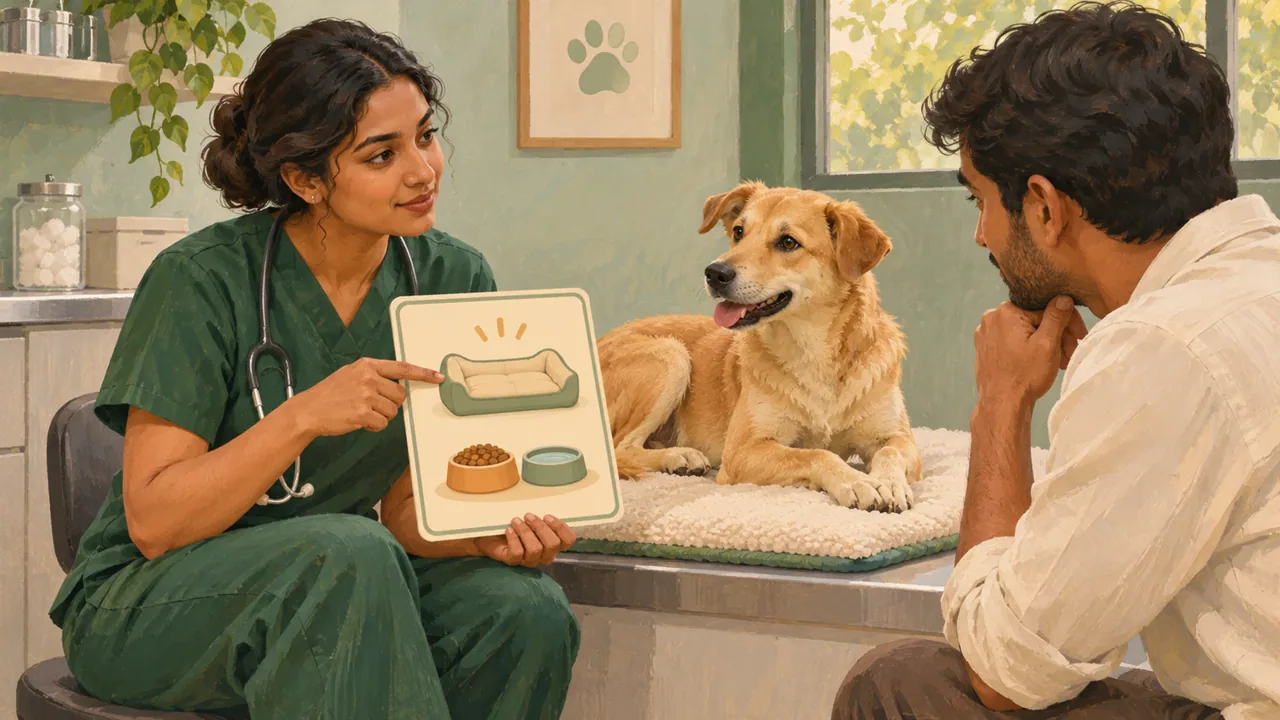
After intake, practical needs matter: clean water, appropriate food, quiet space, medication as directed, and patient observation. Consistent routines help both animals and caregivers understand whether recovery is progressing.