How to tell a rescue story readers can verify
A reporting worksheet for Chinese community animal stories, with clear evidence, consent and image labels.
StrayToHome editorial team · 2026-11-23
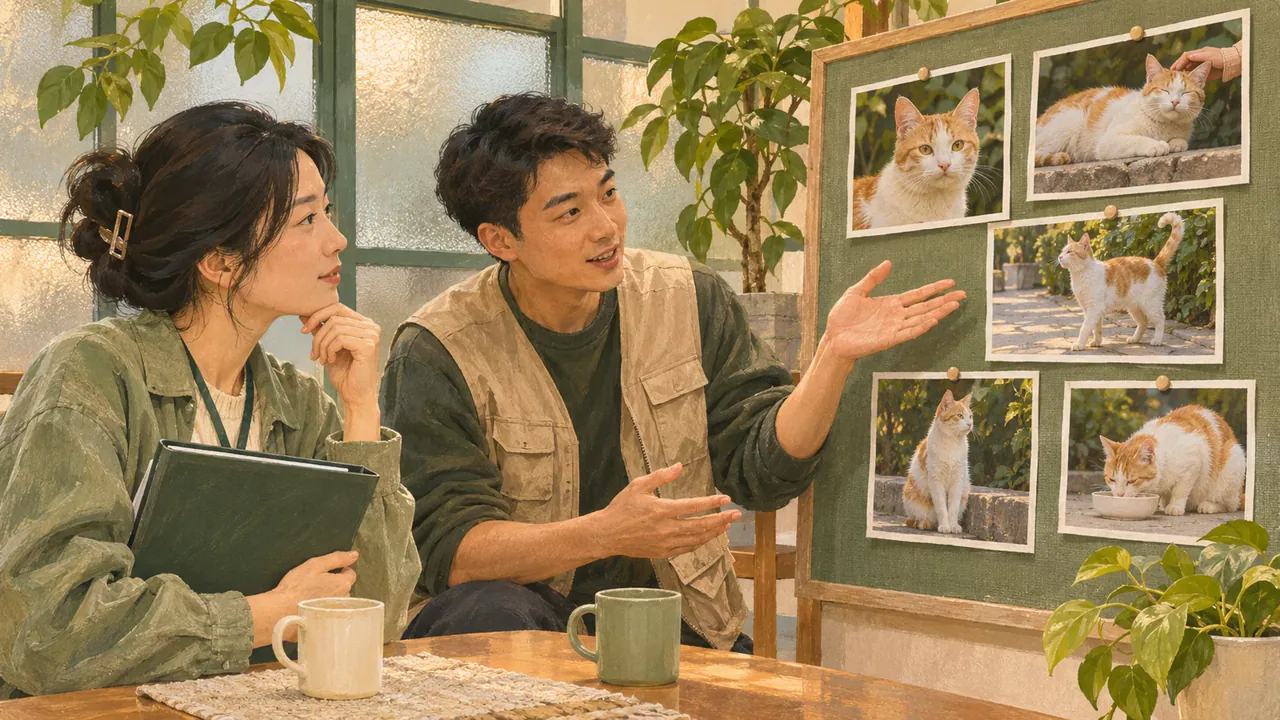
Putuo’s official account reports a specific neighbourhood animal-care initiative. Such a report can provide a lead, but it does not establish the history of every animal shown online. This is an editorial guide, not a new rescue case or a claim that StrayToHome participated in one.
Build a timeline before writing the headline
Record the original source, publication date, place and the people or organisation responsible for each claim. Separate first-hand observations, documentary records and statements you have not independently confirmed. Ask whether an apparent before-and-after pair actually shows the same animal. If dates or identity cannot be established, say so or leave that detail out. Do not invent a name, a rescue scene or an adoption outcome to make the narrative feel complete.
Obtain permission and protect sensitive details
Confirm that you may use photographs and that the person granting permission controls the relevant rights. Ask participants how they wish to be identified, and avoid revealing private addresses, identifying documents or vulnerable animals’ precise locations. Describe veterinary findings only when supported by appropriate records and permission; do not diagnose from appearance. If an AI illustration is used, label it clearly and keep it distinct from documentary evidence of the reported event.
Publish a bounded claim with an update path
Link the original source and state the last verification date. Attribute an organisation’s statement to that organisation instead of presenting it as your own observation. Distinguish an adoption application from a completed placement. Do not imply partnership, endorsement or fundraising authority without evidence. Invite factual corrections through an appropriate channel and preserve a short correction note when a material detail changes. A story can end with an unresolved question rather than a manufactured happy ending.