You Found a Lost Pet: Safer First Steps
A calm approach, safe containment, identification checks, and a found-pet report can protect an animal while giving their family the best chance of reunification.
StrayToHome editorial team
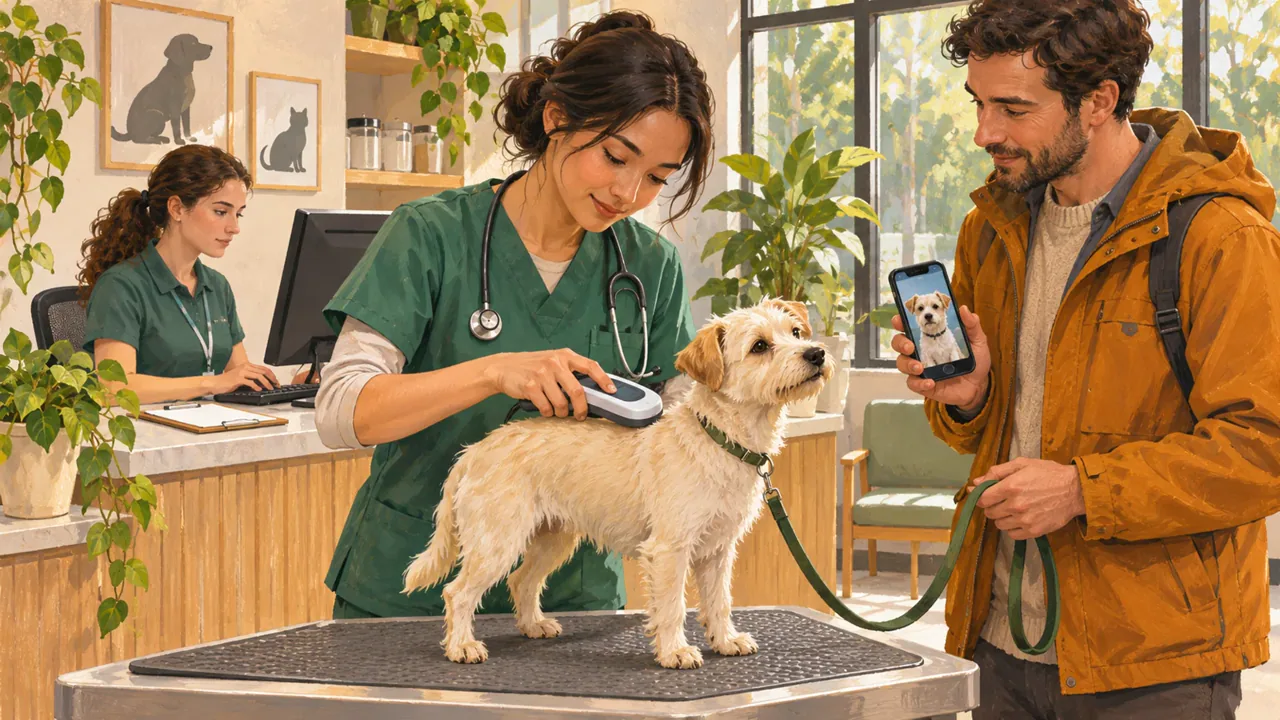
Finding a loose dog or cat can feel urgent, but the most helpful response is measured. Prioritize human and animal safety, preserve the chance of reunification, and involve qualified local support when you need it.
Start with safety and distance
Do not chase an animal near traffic or try to approach an animal that appears fearful or aggressive. Speak quietly, move slowly, and call local animal control or emergency services when the situation is unsafe for you or the animal.
If it is safe to contain a dog, use appropriate temporary containment and keep the setting calm. Cats generally need secure, ventilated confinement rather than prolonged handling.
Look for identification and professional help
Check for an ID tag without placing yourself at risk. A veterinary clinic or shelter can often scan a found pet for a microchip, which is an important step before assuming an animal has no home.
A healthy outdoor cat may be an owned pet or a cared-for community cat. An ear-tipped cat who appears well may already be part of a local sterilization and monitoring program.
Create a reunification trail
File a found-pet report with a local shelter, share a clear photo through appropriate local channels, and record where and when the animal was found. Avoid publishing information that could expose a vulnerable animal to harm.
If you provide temporary care, keep the shelter or local animal services informed. Clear records help owners, responders, and rescues coordinate the next responsible step.