Prepare a foster room that is easy to manage
Build a quiet starting space and a clear daily routine with the placing organisation.
StrayToHome editorial team · 2026-11-23
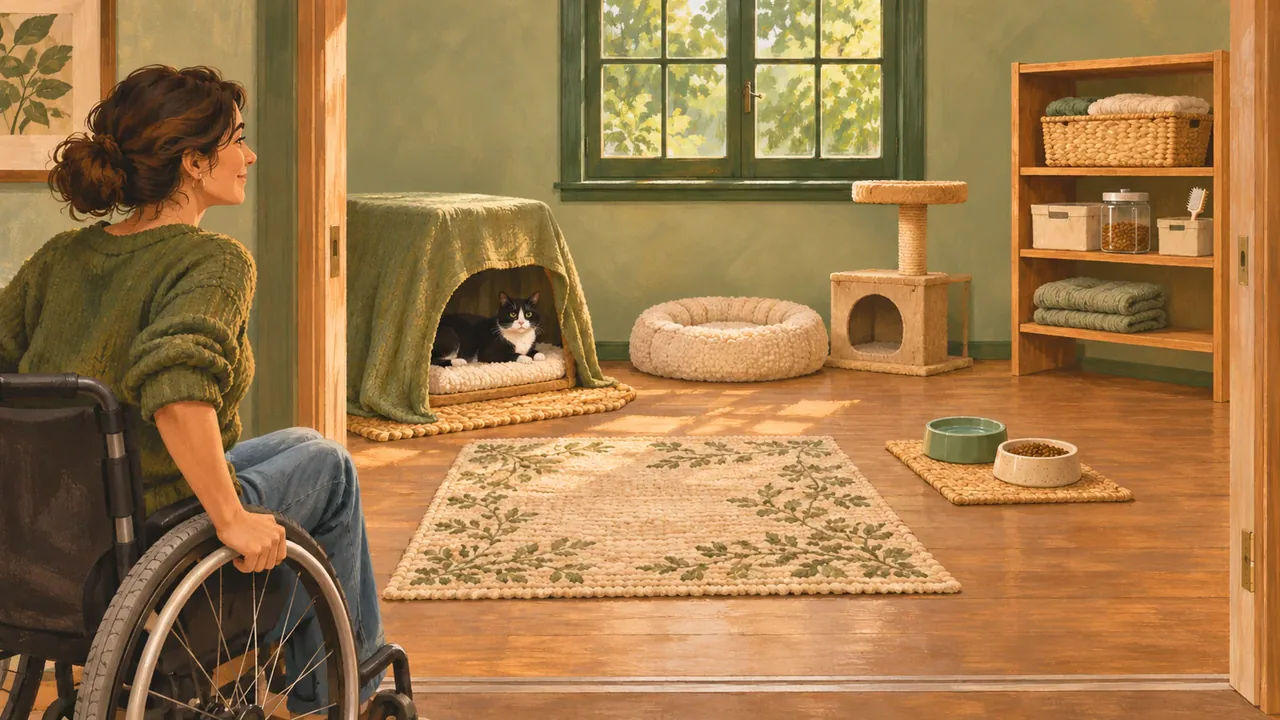
A foster room does not need to look like a showroom. It needs to suit the individual animal and make care manageable. Before buying equipment, ask the placing organisation about the animal, the expected placement, and the instructions it wants you to follow.
Plan the room around daily tasks
ASPCApro's room-setup demonstration highlights accessible hiding places and deliberate supply placement. Sketch where you will enter, place supplies, and check the animal without rearranging everything. Ask which bed, carrier, feeding equipment, and toileting setup are appropriate. Remove unnecessary objects and check doors, windows, and gaps with the coordinator's guidance. Make sure you can reach essential items without leaving the entrance open while searching for them.
Agree how the household will use it
Brandywine Valley SPCA recommends a quiet prepared space and notes about foster-cat interactions. Tell household members who may enter and who is responsible for routine care. Put a simple reminder on the door if necessary. Ask the organisation about separation from resident animals, visitors, cleaning, and introductions; do not invent a universal timetable. Make room in your schedule for observing quietly rather than expecting immediate interaction or a photograph.
Create a useful care record
Keep one page with the coordinator's contact, agreed instructions, supplied items, and the next check-in date. Use brief factual entries: what was offered, what you observed, and what question you need answered. Ask how urgent concerns should be communicated and which route to use outside normal hours. Before accepting the placement, clarify who arranges appointments, transport, supplies, and an alternative placement if your circumstances change. Store that agreement where a backup carer can find it.