Preparing a constructive community cat consultation in Japan
Bring observations and practical questions to the local desk while respecting neighbors and existing caregivers.
StrayToHome editorial team · 2026-11-23
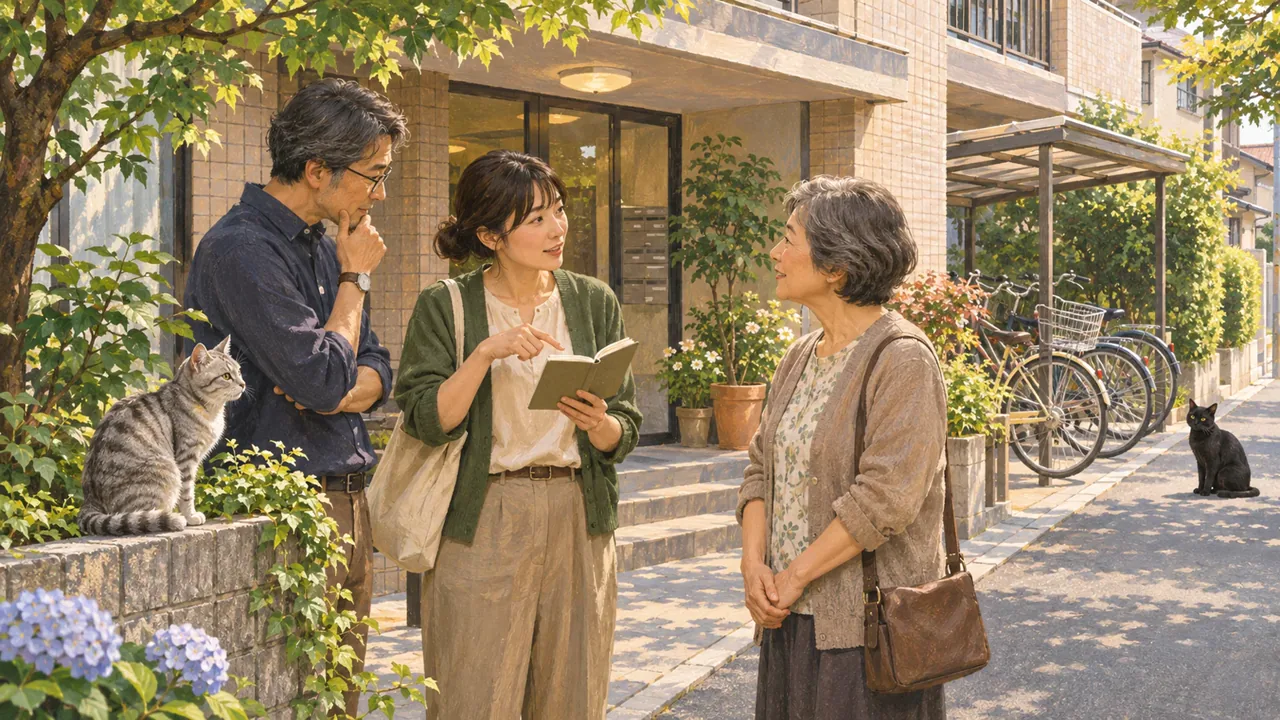
A neighborhood cat concern often involves several different needs: animal welfare, cleanliness, property access and trust between residents. Begin with a factual account of what you have observed. A well-prepared consultation is more useful than assuming that every outdoor cat is abandoned or that a volunteer will remove it.
Separate observations from assumptions
Record dates, approximate numbers and the places where concerns occur, without entering private property. Describe the specific issue, such as recurring waste near an entrance, instead of assigning motives to neighbors. Keep identifying details out of public posts. If someone already cares for the cats, ask the local coordinator how to make contact respectfully rather than starting a competing effort.
Ask about the local process
Shinjuku’s guidance combines cat management with neighborhood cooperation and says volunteer consultation may be available through its sanitation department. Its page also notes possible costs and limited volunteer availability. Elsewhere, ask your own municipality what arrangements exist. Prepare questions about permission, responsibilities, veterinary coordination and record keeping; do not treat one ward’s support scheme as a national entitlement.
Agree a small, reviewable next step
A useful first outcome might be a meeting, an observation log or a named person to clarify property access. Write down who will do what and when everyone will review it. Do not begin trapping, relocation or medical procedures on the strength of an online article. Discuss such actions with the responsible local professionals. Listen to residents who do not want contact with cats, and keep the conversation focused on practical conditions rather than blame.