Prepare a South Korean household for an adoption conversation
Turn interest in an animal into a realistic household plan before booking an adoption meeting.
StrayToHome editorial team · 2026-11-23
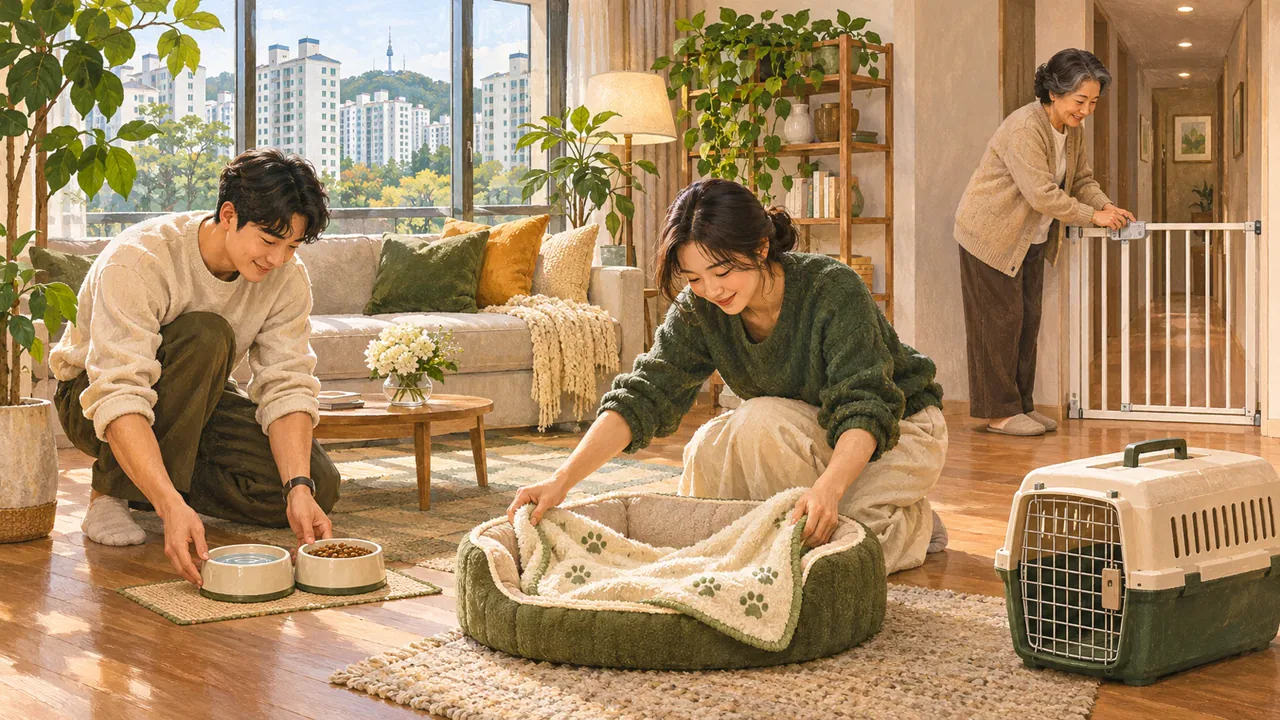
Seoul publishes adoption information on its official pet page. A listing begins an enquiry; it cannot tell you how your household will manage an ordinary Tuesday. Prepare a short household brief that helps the centre discuss fit and leaves space for honest uncertainty.
Map the week that actually happens
Write down working hours, commuting time, regular absences and who can respond when plans change. Include everyone sharing the home, not only the person making the application. Ask what each person can reliably do, and identify gaps rather than allocating tasks by hope. Check the specific tenancy and building arrangements. A friend’s experience in another apartment does not establish what applies to yours.
Prepare questions about this animal
Ask which routines staff have actually observed: resting, eating, walks, handling and reactions to unfamiliar people. Separate confirmed records from estimates, especially for age or earlier history. Ask what documents accompany the animal and which questions require a veterinarian. Explain any resident animals and your available space. Request guidance on a gradual introduction plan; do not promise an immediate shared living area simply because two animals look calm in photographs.
Plan arrival and the first interruption
Choose a quiet resting area, secure exits and suitable transport before agreeing on collection. Budget for routine supplies and professional care without assuming a subsidy exists. Identify one backup caregiver and confirm their availability. Ask the centre how to report settling-in difficulties and what its agreement says about changes in circumstances. Keep the written plan modest enough to follow, then revise it as you learn the animal’s actual needs.