
Finding the right animal welfare desk in Japan
Turn a national directory into a practical local contact plan, with clear questions and realistic expectations.
Explore all guidesJapan
Find your municipal information route, plan for emergencies and build considerate care around the realities of your home and neighborhood in Japan.
Turn a national directory into a practical local contact plan, with clear questions and realistic expectations.
Explore all guides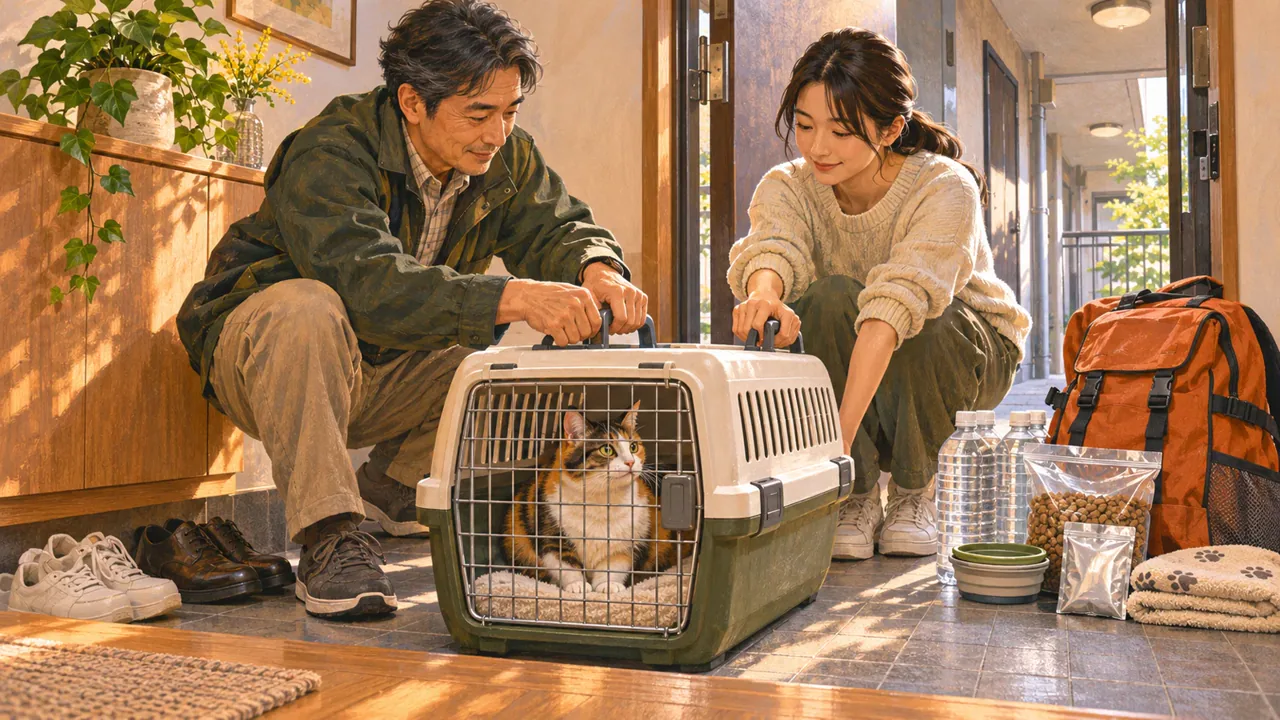
Check the destination, responsibilities and backup arrangements before an emergency makes decisions harder.
Explore all guides
Clarify the housing agreement, the adoption process and everyday care before choosing an animal.
Explore all guides
Bring observations and practical questions to the local desk while respecting neighbors and existing caregivers.
Explore all guides
Create a clear description, local contact list and privacy-aware posting plan before they are needed.
Explore all guides
Choose a manageable role and clarify training, supervision and boundaries before a first shift.
Explore all guides
Compare identity, reporting and practical welfare processes without treating a moving story as verification.
Explore all guides
Use consent, careful framing and honest captions to share useful animal welfare stories.
Explore all guides
Build a small, predictable welcome and use observations to guide the next conversation with your adoption team.
Explore all guides
Ask for observations, records, and practical support before making a commitment.
Explore all guides
Use local information before deciding what an unfamiliar outdoor cat needs.
Explore all guides
Collect useful information while keeping people and animals away from added danger.
Explore all guides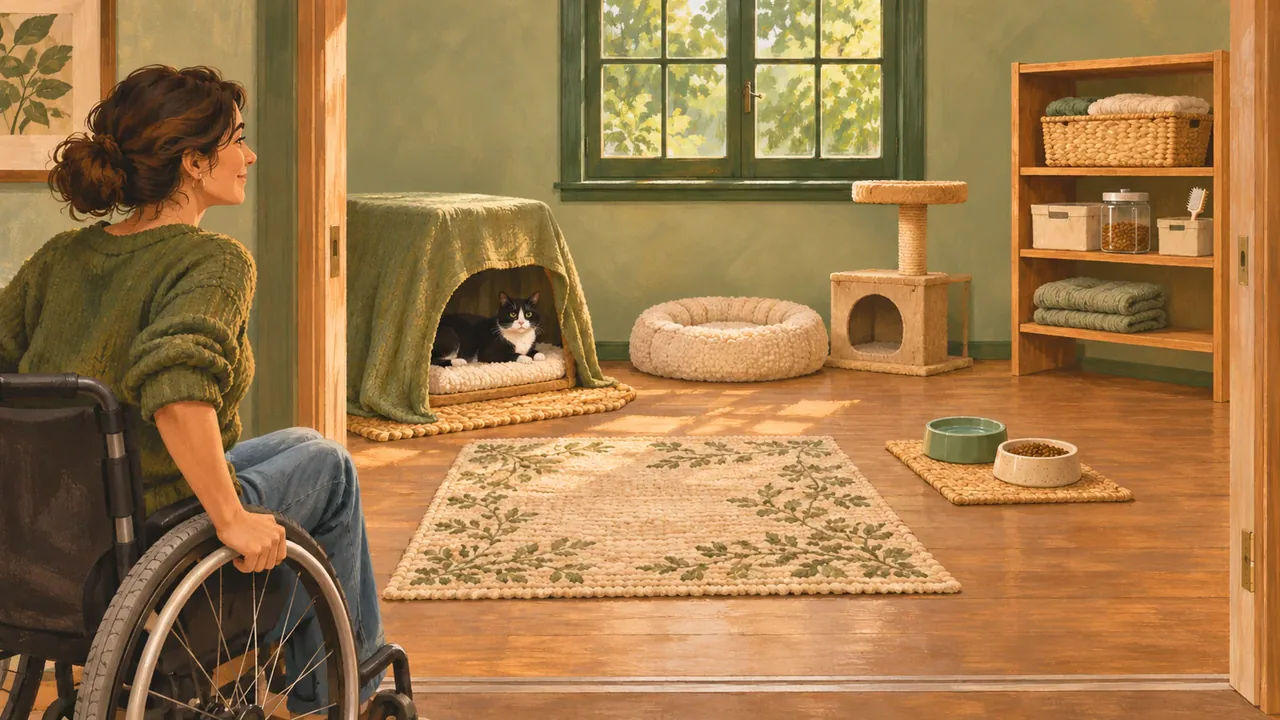
Build a quiet starting space and a clear daily routine with the placing organisation.
Explore all guides
Verify the publisher, the evidence, and the current request as separate questions.
Explore all guides
Define a small volunteer task that an animal organisation can review and maintain.
Explore all guides
Turn good intentions into clear daily responsibilities, gentle introductions and workable backup arrangements.
Explore all guides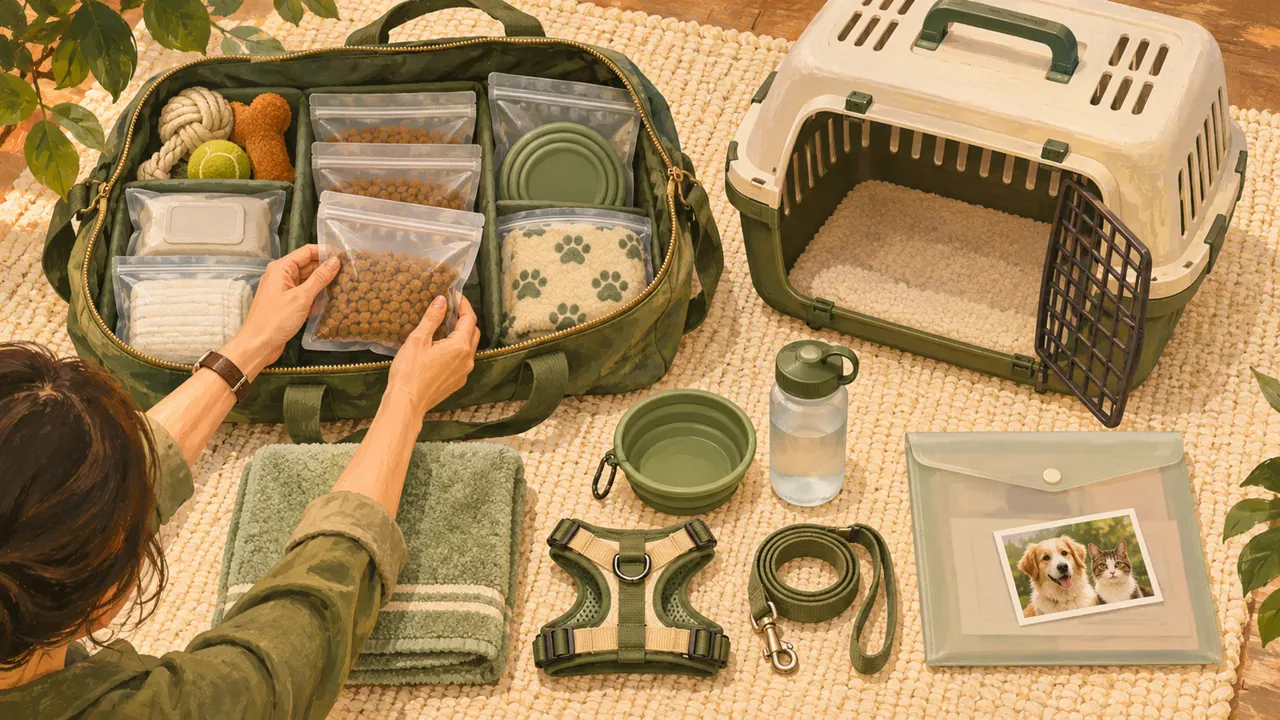
Organize supplies, documents and instructions so your backup caregiver can find what matters quickly.
Explore all guides
Create a journey brief that connects welfare advice, carrier requirements and a reliable handover.
Explore all guides
A practical overview of safe trapping, veterinary sterilization, return or placement planning, and the monitoring that makes community-cat care more responsible.
Explore all guides
A rescue response is a sequence of decisions: confirm safety, arrange appropriate transport, assess health needs, and decide on the next responsible step.
Explore all guides
A good match starts with honest questions about routine, housing, other animals, and the support an adopted animal may need as they settle in.
Explore all guides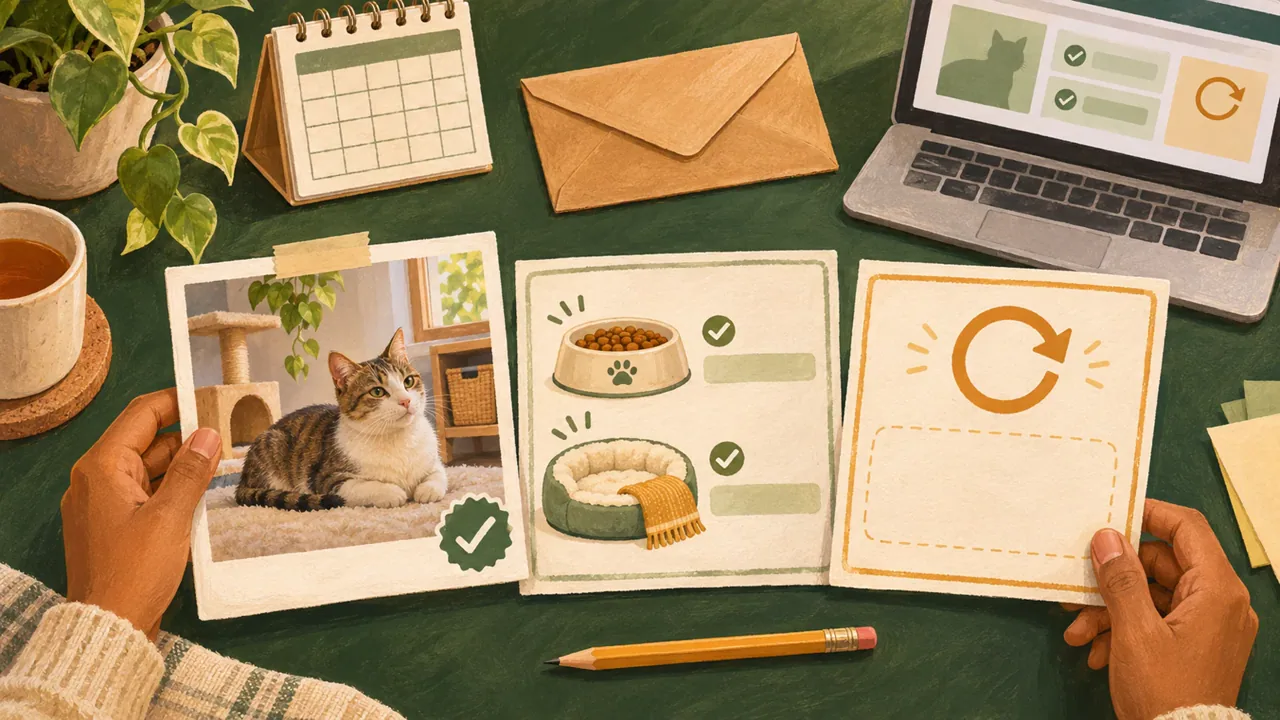
Meaningful updates explain the care action taken, the next planned step, and what is known—without inventing outcomes or exposing sensitive location details.
Explore all guides
Observe from a distance, look for signs of a caretaker, and connect with a local veterinary or rescue resource before intervening—especially when kittens are involved.
Explore all guides
A quiet routine, careful observation, and gentle handling can give an animal time to recover confidence while a team plans the safest next home.
Explore all guides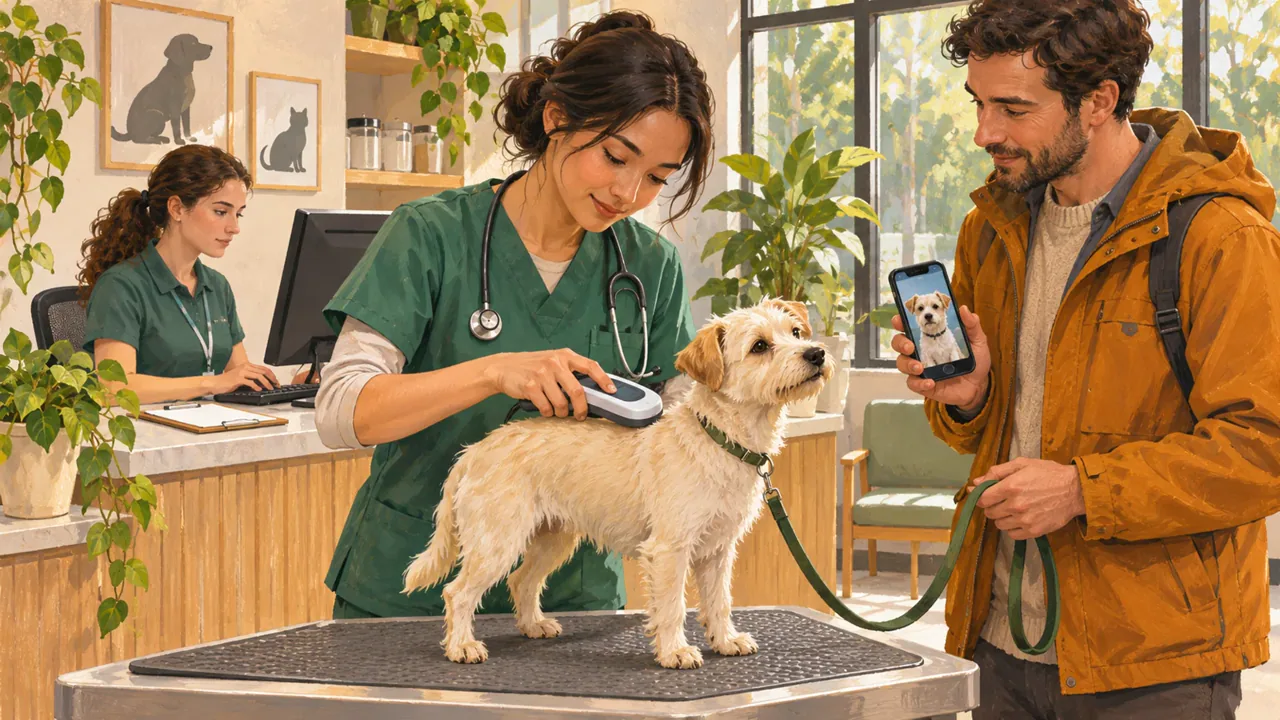
A calm approach, safe containment, identification checks, and a found-pet report can protect an animal while giving their family the best chance of reunification.
Explore all guides