
A cat in the cold: calm, safe help
Observe safely, discuss a dry shelter and pass concerns to a professional without chasing the cat or publishing its exact hiding place.
Explore all guidesRussia
Explore Russia-focused guides to finding local shelter information, preparing for cold weather, and welcoming an animal into everyday home life.
Observe safely, discuss a dry shelter and pass concerns to a professional without chasing the cat or publishing its exact hiding place.
Explore all guides
What to tell a professional and what to avoid around an unfamiliar injured dog, without medicines, improvised procedures or unsafe lifting.
Explore all guides
Prepare a clear description, check whether the clinic can receive the animal and record the answer without trying to diagnose by phone.
Explore all guides
Build a small, verifiable local contact list before planning a shelter visit.
Explore all guides
Plan the indoor space, arrival journey, and backup care before a winter placement.
Explore all guides
Turn apartment-life concerns into clear questions for your household and the shelter.
Explore all guides
A simple foster-care log helps the next helper understand completed tasks, unknown details and whom to contact when something changes.
Explore all guides
Keep useful identifying details for verification, avoid publishing personal documents and arrange a calm handover to the responsible person.
Explore all guides
Prepare one clear record that neighbours, clinics, and local groups can update.
Explore all guides
Make a repost useful by checking its origin, date, permission, and current request.
Explore all guides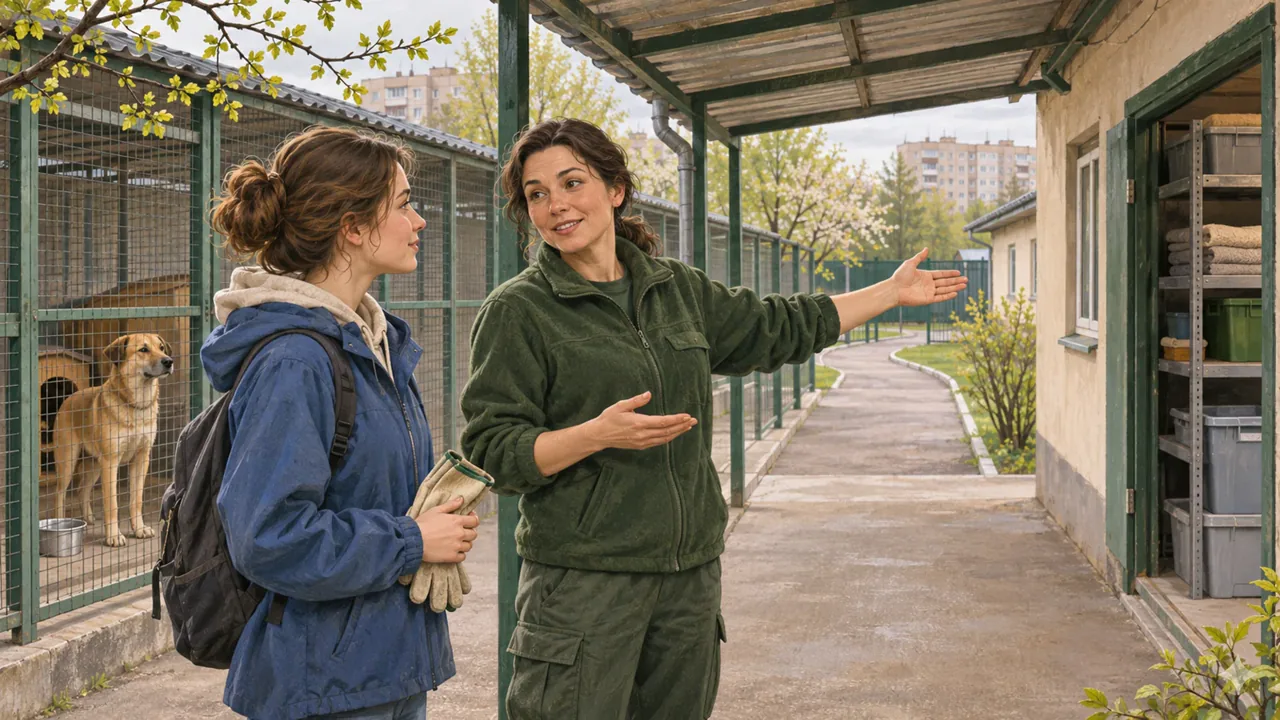
Prepare for a supervised first shift with clear boundaries and useful questions.
Explore all guides
Agree a supply check or delivery, plan for bad weather and leave the next helper a clear account of what actually happened.
Explore all guides
Compare identity, reporting and practical welfare processes without treating a moving story as verification.
Explore all guides
Use consent, careful framing and honest captions to share useful animal welfare stories.
Explore all guides
Build a small, predictable welcome and use observations to guide the next conversation with your adoption team.
Explore all guides
Ask for observations, records, and practical support before making a commitment.
Explore all guides
Use local information before deciding what an unfamiliar outdoor cat needs.
Explore all guides
Collect useful information while keeping people and animals away from added danger.
Explore all guides
Build a quiet starting space and a clear daily routine with the placing organisation.
Explore all guides
Verify the publisher, the evidence, and the current request as separate questions.
Explore all guides
Define a small volunteer task that an animal organisation can review and maintain.
Explore all guides
Turn good intentions into clear daily responsibilities, gentle introductions and workable backup arrangements.
Explore all guides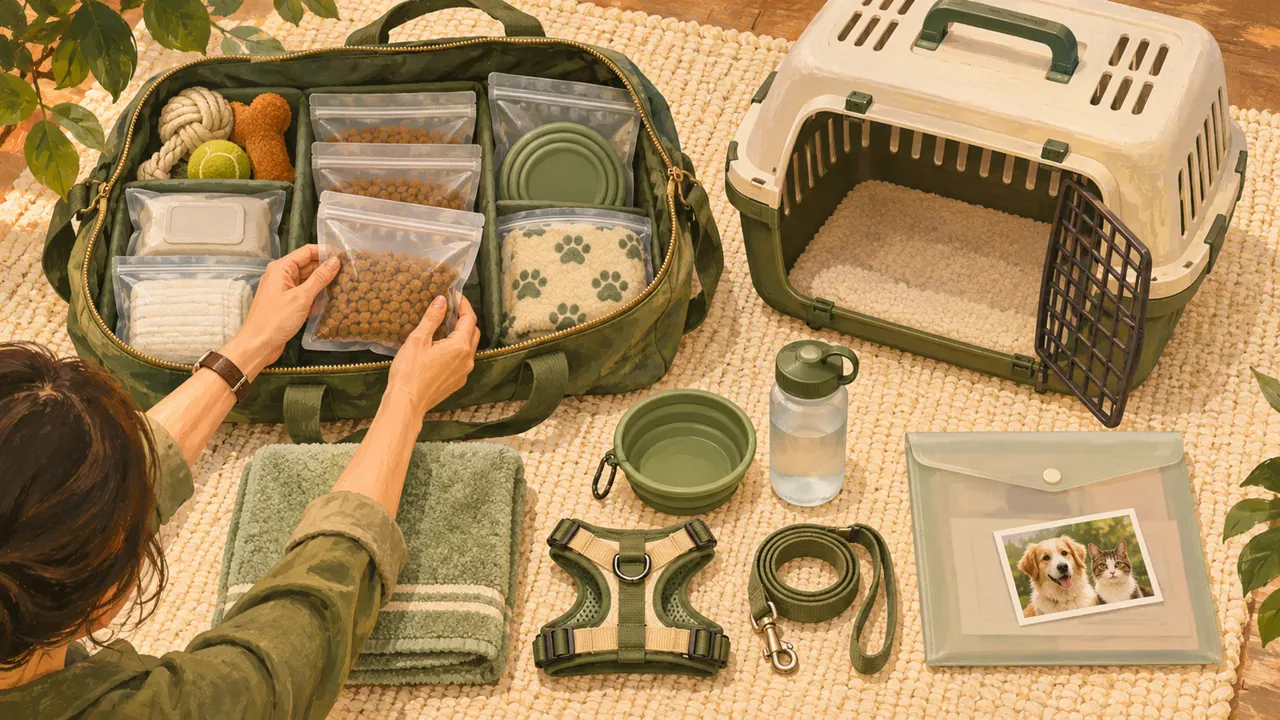
Organize supplies, documents and instructions so your backup caregiver can find what matters quickly.
Explore all guides
Create a journey brief that connects welfare advice, carrier requirements and a reliable handover.
Explore all guides
A practical overview of safe trapping, veterinary sterilization, return or placement planning, and the monitoring that makes community-cat care more responsible.
Explore all guides
A rescue response is a sequence of decisions: confirm safety, arrange appropriate transport, assess health needs, and decide on the next responsible step.
Explore all guides
A good match starts with honest questions about routine, housing, other animals, and the support an adopted animal may need as they settle in.
Explore all guides
Meaningful updates explain the care action taken, the next planned step, and what is known—without inventing outcomes or exposing sensitive location details.
Explore all guides
Observe from a distance, look for signs of a caretaker, and connect with a local veterinary or rescue resource before intervening—especially when kittens are involved.
Explore all guides
A quiet routine, careful observation, and gentle handling can give an animal time to recover confidence while a team plans the safest next home.
Explore all guides
A calm approach, safe containment, identification checks, and a found-pet report can protect an animal while giving their family the best chance of reunification.
Explore all guides